Planning a Palermo or Cefalu daytrip? Compare city energy, beaches, landmarks, travel time, and local flavors for a day in Sicily you will truly remember.
A golden Byzantine mosaic glowing above your head in Palermo, Greek columns standing against an almond-scented valley, black volcanic ground beneath your shoes – the top UNESCO sites in Sicily are not one kind of experience. They are a reason to travel the island slowly, with room for a long lunch, an unexpected viewpoint, and the detours that make Sicily feel personal.
Sicily has seven UNESCO World Heritage properties, spread from Palermo’s historic center to remote volcanic islands. Trying to see every one in a single week can turn a vacation into a checklist. A better plan is to pair each site with the part of Sicily you most want to feel: Arab-Norman Palermo for art and city life, the Valley of the Temples for ancient history, Etna for landscapes, or the southeast for Baroque beauty and sea views.
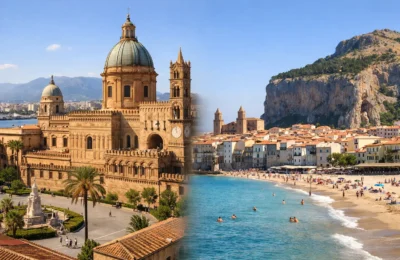
1. Arab-Norman Palermo, Cefalù, and Monreale
This UNESCO property brings together nine monuments that tell the story of Norman Sicily, where Latin, Byzantine, and Islamic traditions met in an extraordinary medieval kingdom. Palermo holds most of the treasures: the Palatine Chapel, the Cathedral, San Giovanni degli Eremiti, La Martorana, San Cataldo, the Admiral’s Bridge, and the Norman Palace. Cefalù Cathedral and Monreale Cathedral complete the collection.
The mosaics are the showstoppers. At Monreale, the immense Christ Pantocrator fills the apse with a calm, unforgettable gaze, while Cefalù delivers the same artistic power in a more intimate coastal setting. Palermo’s Palatine Chapel feels almost jewel-like, with gold mosaics, carved wood, and marble patterns competing for attention in every direction.
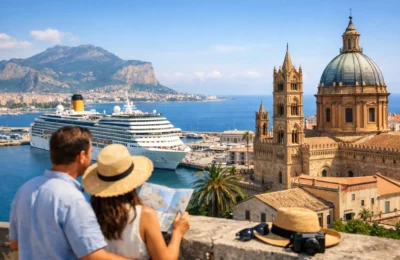
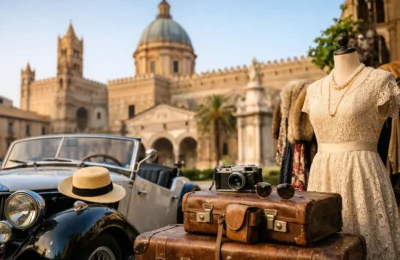
Give Palermo at least a full day, then choose Monreale or Cefalù based on your travel style. Monreale is the natural choice for a half-day trip from Palermo and works beautifully with a private driver or vintage Fiat 500 experience. Cefalù is better if you want to combine UNESCO heritage with a beach walk, seafood lunch, and a climb to the Norman fortress above town. Both are memorable, but trying to rush Palermo, Monreale, and Cefalù into one day means sacrificing the pleasure of each.
2. The Valley of the Temples in Agrigento
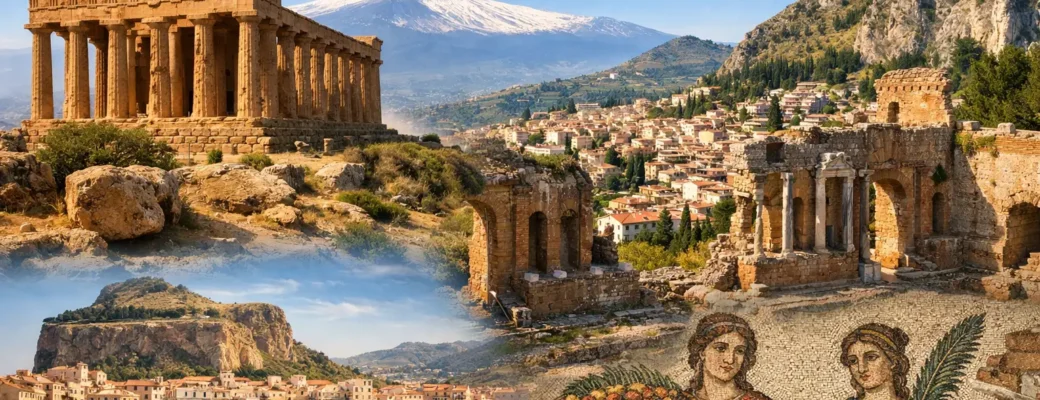
Few places make the ancient Mediterranean feel as immediate as Agrigento’s Valley of the Temples. The name is slightly misleading: this is not a valley packed with ruins, but a dramatic ridge where grand Doric temples rise above the countryside. The Temple of Concordia is remarkably intact, and its honey-colored columns become especially beautiful as afternoon light softens.
This is one of Sicily’s most rewarding heritage stops for first-time visitors because the scale is instantly clear. You do not need an archaeology degree to feel the impact of walking beside structures built more than 2,400 years ago. The nearby Kolymbethra Garden adds another side to the experience, with citrus trees, ancient water systems, and a welcome burst of green.
Plan for several hours on site, preferably late afternoon into sunset when temperatures are kinder and the stone seems to glow. Agrigento is possible as a long day trip from Palermo, but an overnight stay is more relaxed. Travelers continuing south can also pair it with the white cliffs of Scala dei Turchi, though sea conditions and access rules can affect that stop.
3. Villa Romana del Casale
Near Piazza Armerina, Villa Romana del Casale preserves one of the world’s finest collections of Roman floor mosaics. This was a lavish countryside residence, likely owned by an elite imperial official, and its rooms reveal a vivid, surprisingly playful view of Roman life.
The mosaics show hunting scenes, mythological stories, athletes, animals from across the empire, and domestic life. The famous “Bikini Girls” mosaic, depicting women in athletic dress, is fun to spot, but it is only one detail within a vast visual world. Elevated walkways make it easier to view the floors without damaging them, and the site feels more immersive than a typical museum visit.
Villa Romana del Casale is ideal for travelers driving between Palermo, Agrigento, Catania, or the southeast. It is less convenient as a quick city excursion, which is exactly why a private itinerary can make a difference. Pair it with a traditional lunch in Piazza Armerina and allow time for the drive through Sicily’s interior, where wheat fields and hill towns offer a quieter contrast to the coast.
4. Late Baroque Towns of the Val di Noto
After the devastating 1693 earthquake, towns in southeastern Sicily were rebuilt in an exuberant Sicilian Baroque style. UNESCO recognizes eight of them: Caltagirone, Militello Val di Catania, Catania, Modica, Noto, Palazzolo Acreide, Ragusa, and Scicli.
For most visitors, Noto, Ragusa, Modica, and Scicli make the most captivating route. Noto is all symmetry and warm limestone, with elegant palaces and a main street made for an evening stroll. Ragusa Ibla tumbles down a hillside in a maze of lanes, balconies, and church domes. Modica brings chocolate into the picture, while Scicli has a more lived-in, cinematic atmosphere.
This is not a destination to race through. The architecture is spectacular, but its magic comes from slowing down: espresso at a bar, a granita break, a late lunch, and the changing light on the facades. Base yourself in Ragusa or Noto for two or three nights. Choose Catania if you need city energy and transport connections, but the smaller towns offer the more romantic stay.
5. Syracuse and the Rocky Necropolis of Pantalica
Syracuse was among the great cities of the ancient Greek world, and its archaeological park still carries that weight. The Greek Theater, carved into the hillside, remains one of the most dramatic places to watch a performance or simply look across the city toward the sea. Nearby are the Roman Amphitheater, the Altar of Hieron II, and the atmospheric Ear of Dionysius quarry.
UNESCO also includes Pantalica, a rocky gorge landscape with thousands of ancient tombs cut into the cliffs. It is a striking counterpoint to Syracuse: less polished, more rugged, and best appreciated by travelers who enjoy walking in nature.
Stay on Ortigia, Syracuse’s historic island center, to give this area the time it deserves. Its waterfront, market, narrow lanes, and Piazza Duomo make the perfect evening reward after a day among ruins. Pantalica requires more planning and sturdy shoes, so it may not suit every itinerary. If your priority is food, city atmosphere, and accessible history, focus on Syracuse and Ortigia; if you crave a wilder archaeological landscape, add Pantalica.
6. Mount Etna
Europe’s highest active volcano is UNESCO-listed for its exceptional geological activity, but Mount Etna is also pure Sicilian drama. The terrain changes with altitude: vineyards and citrus groves give way to pine forest, lava fields, craters, and wide views toward the Ionian coast.
An Etna excursion can be gentle or adventurous. Some visitors want a scenic drive, a winery tasting, and a walk around lower craters. Others want cable cars, off-road vehicles, and high-altitude trekking. What is available depends on weather, volcanic conditions, and safety restrictions, which can change quickly. Flexibility is part of the experience.
Morning tours offer clearer conditions in many seasons, while a sunset visit can feel wonderfully cinematic. Dress in layers even in summer, wear closed-toe shoes, and do not underestimate the cold at elevation. Etna pairs naturally with Taormina, Catania, or the wine villages on its slopes, making it one of the easiest UNESCO experiences to shape around your pace.
7. The Aeolian Islands
North of Sicily’s coast, the seven Aeolian Islands form a volcanic archipelago of black beaches, bright white houses, cobalt water, and smoking craters. UNESCO recognizes the islands for their volcanic features and the scientific importance of their ongoing activity.
Each island creates a different kind of escape. Lipari is the most practical base, with services, restaurants, and connections. Salina feels greener and slower, known for capers, Malvasia wine, and beautiful coastal scenery. Stromboli is the island of fire, where guided evening hikes can reveal lava activity from a safe distance when conditions allow. Vulcano is famous for its crater, mineral-rich landscape, and dramatic views.
The trade-off is logistics. Ferries are weather-dependent, summer departures can be busy, and day trips only show a small slice of island life. If the Aeolians are a priority, stay at least two nights. A boat day, a sunset aperitivo, and an unhurried morning swim reveal far more than a rushed out-and-back crossing from the mainland.
How to Choose Your UNESCO Route
For a first Sicily trip centered on Palermo, combine the Arab-Norman monuments with Monreale and Cefalù. For a journey through the east and southeast, choose Etna, Syracuse, and the Val di Noto towns. History lovers should build in Agrigento and Villa Romana del Casale, while travelers with extra time should reserve the Aeolian Islands for a true change of rhythm.
Sicily Tour Experience can help turn those combinations into a private, transport-friendly day or a longer custom route, especially when you want to connect a heritage stop with a winery, local lunch, seaside town, or scenic drive. The best itinerary is not the one with the most pins on a map. It is the one that leaves enough space to stand in front of a mosaic, a temple, or a volcano and simply let Sicily do the talking.
When you choose your sites, leave one afternoon unplanned. Sicily has a habit of offering its most lasting moments just beyond the itinerary: a church bell over a Baroque square, pistachio gelato after a crater walk, or sunset turning ancient stone the color of honey.
More to Explore