Know the Fiat rental rules for driving Sicily in style, from license checks and deposits to ZTL zones, parking, insurance, and scenic road planning ahead.
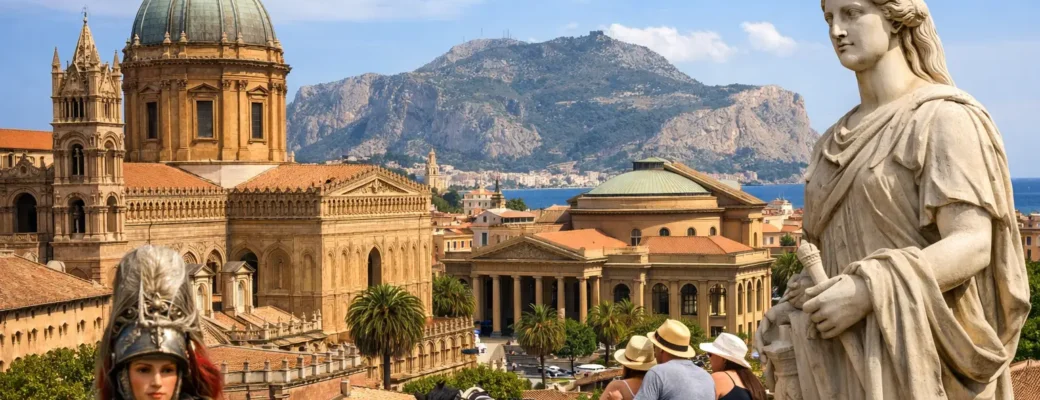
Palermo makes its strongest impression in motion – a church bell echoing off baroque facades, the scent of frying panelle drifting through a market lane, a palace courtyard opening suddenly behind a busy street. The best Palermo cultural experiences are not only about checking off monuments. They are about feeling how art, faith, food, and everyday life still share the same streets.
For travelers who want more than a quick city pass and a few photos, Palermo rewards curiosity. It is layered, vivid, and sometimes gloriously contradictory. Arab-Norman architecture sits beside bustling markets, noble palaces coexist with humble food stalls, and elegant opera culture lives comfortably alongside the city’s rough-edged energy. That contrast is part of the charm, and it is exactly what makes Palermo unforgettable.
What makes the best Palermo cultural experiences stand out
The most memorable cultural moments in Palermo usually combine heritage with atmosphere. You can admire a cathedral in many cities, but in Palermo you often step from monumental history straight into a living neighborhood where vendors are calling out the day’s catch and locals are debating lunch. Culture here does not sit behind glass. It spills into the street.
That also means your experience depends on how you travel. Some visitors want museum depth and historical context. Others want a romantic ride through the city, stopping for cannoli, sea views, and hidden corners. Neither approach is wrong. Palermo works best when the pace matches your style.
Start with Palermo’s historic markets
If you want one experience that captures the city’s personality quickly, begin in the markets. Ballarò, Capo, and Vucciria each offer a different mood, but all three reveal Palermo as a place where food and culture are inseparable.
Ballarò feels the most raw and local. It is noisy, animated, and deeply tied to daily life. You will hear sellers singing out prices, see produce stacked in impossible colors, and catch the unmistakable aroma of arancine, grilled meats, and fresh herbs. Capo is slightly easier for first-time visitors to navigate, with a lively but more compact feel. Vucciria has changed over time and is less of a traditional morning market than it once was, but it still carries a certain urban mythology, especially later in the day.
A market visit is not only about eating street food, though you should absolutely do that. It is also one of the clearest ways to understand Palermo’s history of exchange – Arab, Spanish, Norman, and Sicilian influences all meeting in a few crowded lanes.
See Palermo’s Arab-Norman legacy up close
Few cities in Europe blend cultural influences as dramatically as Palermo, and the Arab-Norman sites are one of the strongest reasons to visit. This is where the city’s layered identity becomes visible in stone, mosaic, and geometry.
The Palatine Chapel is often the highlight. Inside, golden mosaics shimmer above carved wooden ceilings that reflect Islamic artistic traditions, while Norman power and Byzantine imagery complete the scene. It does not feel like a textbook monument. It feels intimate, intricate, and astonishingly alive.
La Martorana is another essential stop, especially for travelers who appreciate churches that tell multiple stories at once. Its interior carries Byzantine richness, but the surrounding square reminds you that Palermo’s beauty is always part sacred, part social. If you have time to go beyond the center, Monreale adds another level to the experience. The cathedral’s mosaics are among the great artistic achievements of Sicily, and the hilltop setting gives you a wider sense of the landscape that shaped Palermo.
The best Palermo cultural experiences for art and architecture lovers
Palermo is generous to travelers who love grand interiors, layered styles, and buildings with personality. This is not a city of perfect visual uniformity. It is more theatrical than polished, and that makes it compelling.
Palermo Cathedral is worth seeing for its mix of influences and its commanding presence, but the real pleasure often comes from comparing it with the city’s other religious and aristocratic spaces. Quattro Canti, for example, is less a single monument than an urban stage set. Standing there, you feel how Palermo was designed to impress, guide, and dramatize public life.
For a different perspective, visit one of the historic palaces. Palazzo Conte Federico and Palazzo Mirto give you a sense of noble Palermo, with rooms that reveal centuries of changing taste and status. These visits feel more personal than a large state museum. You are not only looking at objects. You are stepping into the domestic worlds that helped shape the city.
If you prefer contemporary energy mixed with heritage, the street scenes themselves matter just as much as formal sites. Weathered facades, ornate balconies, tiled shrines, and laundry lines all contribute to Palermo’s visual identity. This is a city best appreciated with time to wander between destinations.
Experience Palermo through music, theater, and local ritual
Culture in Palermo is not only architectural. It is performed, sung, celebrated, and repeated through local traditions that still matter.
Teatro Massimo is the obvious landmark here, and for good reason. Even if you do not attend a full performance, seeing one of Italy’s largest opera houses adds another dimension to Palermo. The building represents the city’s grand civic ambition, and its interiors carry the romance many travelers hope to find in Sicily.
For something more rooted in folk tradition, the Opera dei Pupi offers a very different but equally revealing experience. Sicilian puppet theater is distinctive, dramatic, and deeply connected to local storytelling. It can be especially rewarding for visitors who want to encounter a living tradition rather than only major monuments.
Religious festivals and neighborhood celebrations can also become the most memorable part of a trip, but timing matters. If your visit overlaps with a local feast day, procession, or seasonal event, Palermo can feel transformed. The trade-off is that these moments are less predictable for planning. They are wonderful when they happen naturally, but not something every traveler can build an itinerary around.
Taste your way into Palermo’s culture
Food is not a side activity in Palermo. It is one of the clearest expressions of the city’s identity. Street food tells part of the story, but a fuller cultural experience often comes from combining tasting with context.
A cooking class is one of the most enjoyable ways to do that. Learning how Sicilian ingredients work together – citrus, wild fennel, eggplant, pistachio, seafood, ricotta – gives you a deeper connection to the island than restaurant hopping alone. It also suits couples and small groups especially well because it turns a meal into a shared memory.
For travelers who want variety, a guided food experience can bring structure to Palermo’s famously abundant choices. It helps if you are curious but slightly overwhelmed by what to try first. Panelle, sfincione, arancine, cannoli, and seasonal specialties all reveal something different about local life, from humble street traditions to celebratory sweets.
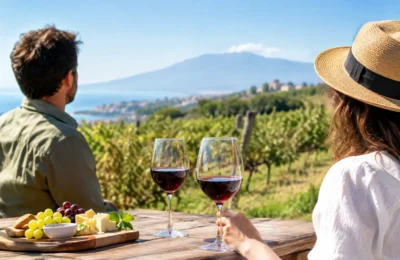
Wine also deserves attention. Palermo itself is a city experience first, but nearby countryside and western Sicily open the door to winery visits that pair beautifully with a cultural stay. If your schedule allows, combining city heritage with a wine-focused day trip creates a richer picture of Sicily.
Go beyond the center for richer cultural contrast
Some of the best Palermo cultural experiences happen when you use the city as a starting point rather than a boundary. Palermo is powerful on its own, but nearby destinations help explain it.
Monreale is the easiest extension and one of the most rewarding. It deepens your understanding of Palermo’s artistic and religious history without requiring a full-day commitment. Cefalù offers a different rhythm – more coastal, more relaxed, yet still rich in history and atmosphere. Segesta brings in the classical world, while Erice adds a medieval hilltop mood that feels far removed from Palermo’s urban pulse.
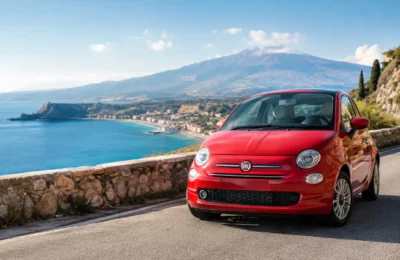
This is where curated excursions can make a real difference. If you want to see multiple layers of Sicily without managing every transfer, timing, and route yourself, a well-planned tour saves energy for the actual experience. Sicily Tour Experience is especially appealing for travelers who want those cultural moments wrapped into something more romantic and memorable, whether that means a private day trip or a stylish ride that turns transportation into part of the adventure.
How to choose the right cultural experience for your trip
The best choice depends on what kind of traveler you are. If this is your first visit and you want Palermo’s essence fast, focus on markets, Arab-Norman monuments, and street food. If you are traveling as a couple, add a scenic city ride, a cooking class, or an evening performance for something more atmospheric. If you have already seen the major landmarks, look for palaces, folk traditions, and day trips that show a quieter side of Sicily.
It also helps to be honest about energy and season. Summer brings long days and lively streets, but also heat and crowds. Cooler months can be better for walking, architecture, and slower cultural visits. Palermo is generous year-round, but the city feels different depending on when and how you move through it.
The real magic of Palermo is that culture here never feels confined to one attraction. It appears in a mosaic ceiling, a market shout, a family recipe, a palace salon, and a sunset drive past the sea. Give yourself space to follow those connections, and Palermo will feel less like a sightseeing stop and more like a place you have truly met.
More to Explore