Know the Fiat rental rules for driving Sicily in style, from license checks and deposits to ZTL zones, parking, insurance, and scenic road planning ahead.
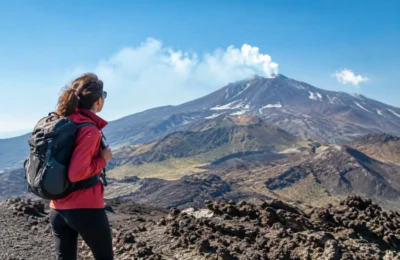
Mount Etna is not a stop you simply check off a Sicily itinerary. It is a living landscape of black lava fields, ancient craters, forest roads, vineyards, and wide views toward the Ionian coast. This Etna excursion planning guide will help you choose an experience that matches your travel style, your available time, and the kind of Sicily memory you want to bring home.
From a dramatic cable car ascent to a relaxed day combining lava landscapes and local wine, Etna can be as adventurous or as easygoing as you make it. The key is planning around the volcano’s changing conditions rather than treating it like a standard sightseeing destination.
Etna Excursion Planning Guide: Choose Your Side
Etna is vast, and the side you choose changes the atmosphere of the day. Most visitors access the volcano from the south or north, with each area offering a different rhythm, terrain, and travel time.
South Etna: the classic volcanic experience
The southern side, generally reached from Catania or Taormina, is the best-known access point. This is where many travelers find the cable car, high-altitude routes, and the unforgettable feeling of standing above a dark, lunar landscape. It is a strong choice for first-time visitors who want dramatic crater views and the option to travel higher on the mountain.
Because it is popular, South Etna can feel busier in high season. That is not necessarily a drawback. It offers clear logistics and a lively atmosphere, especially for travelers who prefer a well-organized excursion with comfortable transportation.
North Etna: quieter trails and forest scenery
The northern slopes feel more remote and wild. Here, lava flows meet pine and birch woods, and the experience often focuses on nature, smaller craters, and less crowded trails. It suits couples, photographers, and travelers who would rather walk through volcanic scenery than spend most of the day at the main high-altitude station.
North Etna can also pair beautifully with the wine country around Linguaglossa and the Alcantara area. If your ideal Sicilian day includes a vineyard lunch after a volcanic walk, this side may be the better fit.
Decide How High You Want to Go
An Etna excursion is not one single activity. Before booking, decide whether you want a scenic lower-slope visit, a mid-altitude adventure, or a higher mountain experience.
A lower-altitude tour can include extinct craters, lava caves, and views across the countryside. It is often the most accessible option for families, travelers with limited mobility, or anyone who wants the magic of Etna without a demanding climb. The terrain is still uneven in places, so sturdy shoes remain a smart choice.
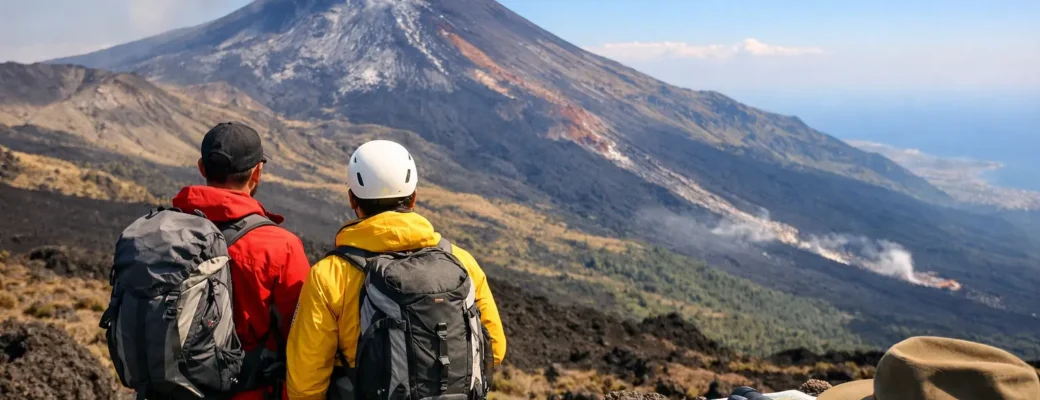
Mid-altitude experiences may include a cable car and guided exploration on higher volcanic ground. These tours offer bigger views and a stronger sense of Etna’s scale, but temperatures drop quickly as you climb.
Summit-area excursions are for travelers comfortable with a more active day. Access is regulated according to volcanic activity, weather, and safety decisions made locally. Routes can change with little notice, and no responsible operator should promise a specific summit point months in advance. The trade-off is worth understanding: flexibility is part of visiting an active volcano.
Pick the Right Season and Time of Day
Etna is compelling year-round, but every season asks for a different plan. Spring brings green slopes, wildflowers, and comfortable hiking temperatures. Summer offers long, sunny days, although lower elevations can be hot and popular routes are often busy. At altitude, however, summer mornings can still feel cool.
Autumn is especially appealing for travelers who want a quieter mood, vineyard colors, and food-and-wine experiences around the volcano. Winter can be extraordinary, with snow creating a striking contrast against black lava. It also brings more weather uncertainty and may limit access to some areas.
Morning excursions usually offer clearer light, cooler temperatures, and more time to adjust the plan if weather changes. Afternoon departures can be beautiful for golden light and sunset views, but conditions on the mountain may become colder and windier. If photography is a priority, ask whether the route allows time at scenic viewpoints rather than simply passing them by.
What to Wear for an Etna Day
The most common Etna planning mistake is dressing for the coast rather than the mountain. Even if you leave Catania in a T-shirt, Etna may greet you with wind, cold air, or sudden cloud cover.
Wear closed-toe shoes with a solid grip. Hiking boots are ideal, but comfortable athletic shoes with a good sole can work for gentle crater walks. Bring layers: a breathable top, a warm fleece or sweater, and a windproof outer layer. Sunglasses, sunscreen, and water are useful in every season because volcanic terrain reflects sunlight and shade can be limited.
Fine volcanic dust gets everywhere, particularly on dry, windy days. Avoid your favorite white sneakers, and consider bringing a small scarf or buff if you are sensitive to dust. In winter, gloves and a warm hat can turn a chilly ascent into a comfortable one.
Build an Etna Day Around What You Love
The best Etna excursion is rarely only about reaching the highest possible point. Add an experience that reflects the Sicily you came to discover.
Food-and-wine travelers can combine the volcano with an Etna winery visit, where mineral-rich soils shape elegant local wines and seasonal dishes. This is a wonderful option for couples or small groups who want adventure balanced with a long, relaxed lunch.
Culture lovers can pair Etna with Taormina, Catania, or traditional mountain villages. The contrast is part of the pleasure: one moment you are looking across an ancient lava field, and later you are strolling baroque streets or enjoying a Sicilian pastry in a town square.
For travelers staying in Palermo, an Etna day trip is possible but long. Palermo sits on the opposite side of the island, so a private transfer or a multi-day itinerary is often more enjoyable than trying to rush there and back in a single day. If Etna is a major reason for your visit, consider spending a night near Catania, Taormina, or the volcano itself. You will have more time for the landscape and far less time watching the road.
Why a Guided Excursion Makes a Difference
Etna rewards local knowledge. A guide can explain the story behind lava formations, point out recent changes in the terrain, and choose a route appropriate for the day’s conditions. On an active volcano, that judgment matters more than following a map.
A guided experience also makes the practical details easier. Transportation, parking, equipment needs, trail selection, and timing can all be organized around your group. Sicily Tour Experience can help travelers shape an Etna day around the kind of experience they want, whether that means volcanic landscapes, local flavors, or a private itinerary with room to move at your own pace.
Private excursions are especially valuable for couples, families, and small groups. You can spend longer at a favorite viewpoint, choose a more relaxed walking pace, or add a winery stop without feeling tied to a large coach schedule. Group tours can be a good value and a social choice, but they usually follow a fixed route.
Leave Room for Etna to Surprise You
Check the forecast shortly before departure, but do not judge the day only by the weather in your hotel town. Mountain conditions can be completely different. A cloudy coast does not always mean a poor day on Etna, and a bright seaside morning does not guarantee clear views at altitude.
Keep your itinerary flexible, listen to local safety guidance, and arrive ready for a little dust on your shoes. Etna is most memorable when you let it feel like what it is: not a backdrop, but a powerful part of Sicily still writing its story beneath your feet.
More to Explore