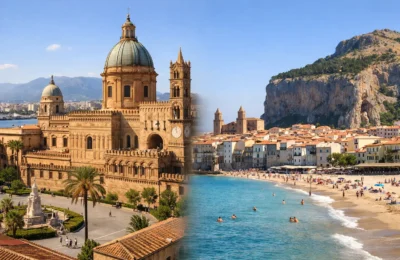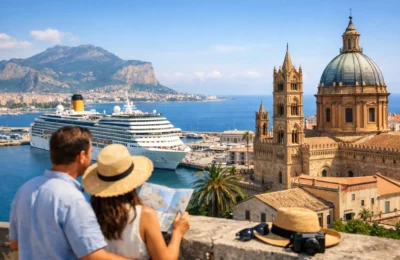
Planning a Palermo or Cefalu daytrip? Compare city energy, beaches, landmarks, travel time, and local flavors for a day in Sicily you will truly remember.
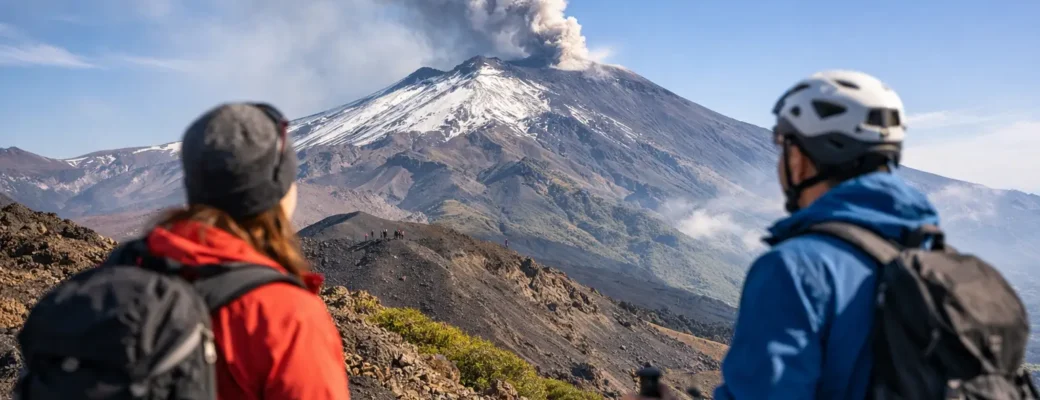
Mount Etna does not feel like an ordinary sightseeing stop. One hour you may be looking across vineyards and small Sicilian towns, and the next you are walking over black volcanic rock beneath a huge, open sky. To prepare for a Mount Etna visit, plan for quick changes in temperature, terrain that can be uneven, and an itinerary that may shift with volcanic and weather conditions. A little preparation lets you focus on the remarkable part: standing on one of Europe’s most active volcanoes.
Choose the Etna experience that suits your day
Etna is enormous, and not every excursion reaches the same altitude or offers the same kind of day. The best choice depends on your travel style, the season, and how much walking you want to do.
A lower-altitude experience often combines scenic roads, ancient lava landscapes, woodland, caves, or local food and wine stops. It is a wonderful fit for couples, families, and travelers who want dramatic views without a demanding hike. Higher-altitude excursions can bring you closer to the volcano’s more rugged terrain, with cable car or 4×4 transport sometimes part of the route, followed by guided walking where conditions allow.
Do not choose solely by the highest number of meters listed. A well-designed half-day excursion can be just as memorable as a longer summit-focused adventure, especially if your Sicily itinerary is already full of cities, beaches, and late dinners. Think about what you want to remember: the lunar landscape, the geology, the panoramic views, a hike, or the feeling of being guided safely through a living natural environment.
Check conditions before you prepare for a Mount Etna visit
Etna is active, which is exactly what makes it so compelling. It also means access can change. Wind, rain, snow, fog, volcanic activity, and official safety restrictions may affect which roads, trails, and elevation zones are open on a given day.
Check your tour details the evening before departure and keep an open mind about the route. A change in plan is not necessarily a lesser experience. Local guides know how to find the most rewarding accessible areas, whether that means dramatic craters, hardened lava flows, a forest trail, or a viewpoint overlooking Sicily’s eastern coast.
If you are driving yourself, do not assume your navigation app understands mountain conditions. Road access, parking, and visibility can be very different from what you encounter in Palermo, Taormina, or Catania. A guided experience removes much of that uncertainty and adds the stories that make the landscape come alive.
Expect four seasons in one day
The coast may be warm enough for a light shirt, while the upper slopes feel cold and windy. This is especially true in spring, fall, and winter, but summer mornings can also be surprisingly cool at elevation. Temperatures drop as you climb, and wind can make the difference feel even sharper.
Wear layers rather than relying on one heavy piece. A breathable base layer, sweater or fleece, and wind-resistant jacket give you flexibility as the day changes. Long pants are usually more comfortable than shorts because volcanic ground can be rough, dusty, and exposed to wind.
What to wear and bring
Your footwear matters more than almost anything else. Choose closed-toe shoes with a firm sole and good grip. Hiking boots are ideal for longer walks, but supportive sneakers can work for easier routes in dry conditions. Avoid sandals, smooth-soled fashion shoes, and anything you would hesitate to get dusty.
Bring a small day bag instead of carrying everything in your hands. Keep your camera or phone secure, but remember that volcanic dust and sudden gusts are part of the setting. A protective case or zip pouch is useful.
For most Etna excursions, pack these essentials:
- A windproof layer and a warm mid-layer, even in summer
- Closed-toe walking shoes with reliable traction
- Water, snacks, sunscreen, sunglasses, and lip balm
- A hat or cap for sun, plus a light beanie for cooler months
- A fully charged phone, portable battery, and a small amount of cash
- Any personal medication you may need during a longer outing
In winter, conditions can include snow and ice, so warmer clothing and appropriate footwear are essential. In the hottest months, sun protection and water become even more important. Your guide or operator may offer or recommend additional gear for specific routes, so read the practical information carefully before you leave.
Be realistic about walking and altitude
You do not need to be an elite hiker to enjoy Mount Etna. Many visitors experience the volcano through gentle walks and scenic stops. Still, volcanic terrain is not the same as a city sidewalk. Loose stones, ash, slopes, and uneven ground require attention.
Read the activity level rather than guessing. If you have knee concerns, limited mobility, heart or respiratory conditions, or simply prefer a relaxed pace, choose an excursion built around accessible viewpoints and shorter walks. Tell your guide about any relevant needs before the trip begins. It helps them advise you honestly and keeps the experience enjoyable for everyone.
Higher elevations can also feel different for travelers who are sensitive to altitude. Move at an easy pace, drink water regularly, and speak up if you feel unwell, dizzy, or unusually short of breath. There is no prize for pushing through discomfort when the real goal is to enjoy the landscape safely.
Plan the rest of the day around the mountain
An Etna day often begins early, particularly in summer. Morning departures can offer cooler temperatures, clearer views, and a calmer rhythm before afternoon clouds arrive. But conditions vary, and a late-afternoon experience can be magical too, with changing light over the lava fields.
Avoid scheduling something rigid immediately afterward if possible. You may return dusty, tired in the best way, or later than expected due to mountain conditions. Leave space for a relaxed meal, a shower, and a glass of Sicilian wine rather than racing to another reservation.
If you are staying on the eastern side of Sicily, Etna pairs beautifully with a visit to a winery, a village lunch, or an evening in Taormina or Catania. From Palermo, it is a longer journey, so consider making it part of a broader east-Sicily overnight plan rather than trying to squeeze the volcano into an already packed day.
Respect a landscape that is still alive
Mount Etna is not a theme park backdrop. The black ash, lava stone, craters, and wide silent slopes are part of a powerful natural system that has shaped local life for centuries. Follow marked instructions, remain with your guide in restricted terrain, and never cross barriers for a photo.
Take your litter back with you, including tissues and food wrappers. Do not collect rocks from protected areas or leave initials carved into volcanic surfaces. The most shareable photo is still worth taking with care for the place behind it.
A guided Etna excursion is especially valuable when access is changing or when you want to understand what you are seeing. The best guides add context: how lava has altered the landscape, why vineyards thrive on volcanic soil, and how communities have learned to live beside the mountain with respect.
Make room for the unexpected
Come prepared, but do not arrive with a rigid picture of what Etna must look like. Clouds may roll through. A route may change. Your shoes may come home covered in fine black dust. Those details are part of the adventure, not a failure of the plan.
Bring the right layers, choose an experience that matches your comfort level, and let local expertise lead the way. With a thoughtfully planned excursion from Sicily Tour Experience, Etna becomes more than a landmark on your itinerary – it becomes one of those rare Sicilian days you will keep talking about long after you return home.
More to Explore