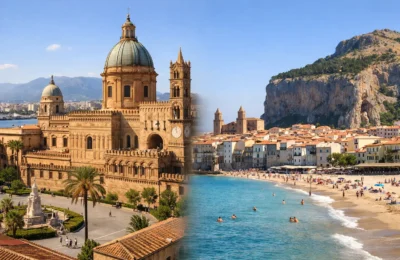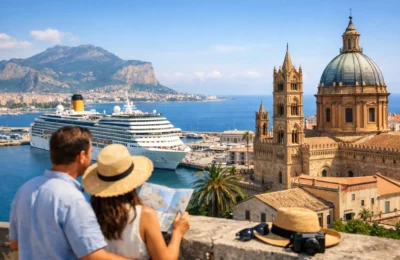
Planning a Palermo or Cefalu daytrip? Compare city energy, beaches, landmarks, travel time, and local flavors for a day in Sicily you will truly remember.
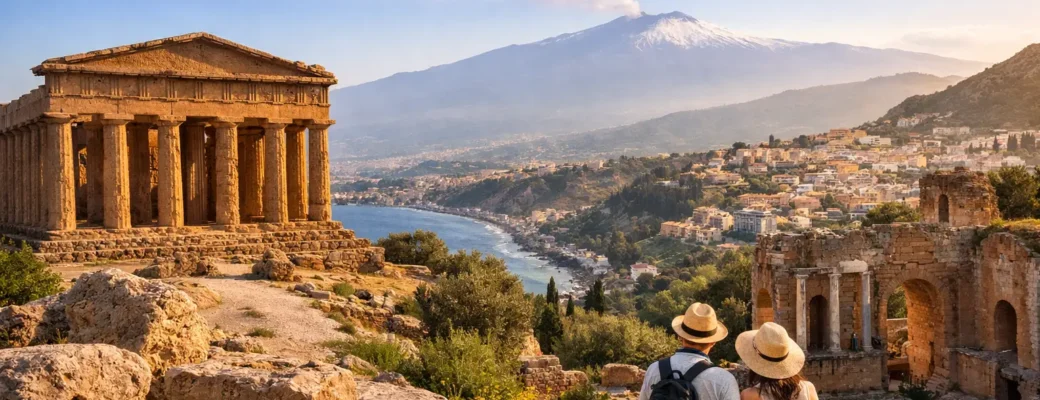
A gold-lit Greek temple above the sea. Glittering Byzantine mosaics inside a Norman cathedral. Black volcanic slopes rising beyond vineyards and villages. Sicily UNESCO heritage tours are not about checking monuments off a list – they are a chance to feel the many civilizations, landscapes, and stories that shaped the island.
Sicily has more UNESCO World Heritage than most travelers expect, and its sites are spread from Palermo’s historic center to the southeast’s honey-colored baroque towns. The best way to experience them is with a route that feels unhurried, beautifully paced, and personal enough to make room for a long lunch, a photo stop, or an unexpected village view.
Which Sicily UNESCO Heritage Tour Is Right for You?
There is no single perfect heritage itinerary. It depends on where you are staying, how much time you have, and whether ancient ruins, architecture, food, or dramatic scenery is at the top of your list.
Travelers based in Palermo can easily combine the Arab-Norman treasures of the city with Monreale and Cefalù. Those staying near Catania, Taormina, or Syracuse can focus on Mount Etna, Syracuse, and the baroque towns of southeastern Sicily. If you are touring the island over several days, a private Sicily journey can connect the highlights without turning your vacation into a series of rushed transfers.
A guided experience is especially valuable here because Sicily’s heritage is layered. A temple may belong to the Greek world, while a nearby street reflects Roman, Arab, Norman, Spanish, and modern Sicilian life. Local context turns beautiful places into unforgettable ones.
Palermo, Monreale, and Cefalù: A World of Mosaics
The Arab-Norman Palermo and the Cathedral Churches of Cefalù and Monreale UNESCO site is one of Sicily’s most extraordinary cultural experiences. It brings together buildings created during Norman rule, when Latin, Byzantine, and Islamic artistic traditions met in remarkable ways.
In Palermo, the Palatine Chapel is a standout. Its shimmering gold mosaics, carved wooden ceiling, and intricate decorative details reward slow looking. The Cathedral, the Church of San Giovanni degli Eremiti, and other historic monuments reveal how much artistic exchange shaped the city.
Monreale is often the moment travelers remember most. High above Palermo, its cathedral contains vast mosaic cycles that glow in the changing light. The cloister, with its delicately carved columns, offers a quieter pause after the visual richness of the church. Pairing Palermo and Monreale in one day works well for first-time visitors who want history, atmosphere, and panoramic views without traveling far.
Cefalù makes a wonderful extension or separate day trip. Its Norman cathedral stands beneath the dramatic Rocca, while the old town leads toward a sandy shoreline and inviting seafood restaurants. It is ideal for couples and small groups who want a heritage day that ends with sea air and a relaxed Sicilian meal.
Ancient Sicily: Segesta and the Valley of the Temples
For many visitors, Sicily means the Greek temples. The Valley of the Temples in Agrigento is one of the Mediterranean’s great archaeological landscapes, with remarkably preserved Doric temples set along a ridge overlooking the countryside. Seeing them in the late afternoon is particularly special, when the stone turns warm and the crowds begin to thin.
Agrigento is a longer journey from Palermo, so it is best approached as a full-day private excursion or part of a wider western and southern Sicily itinerary. The drive is part of the experience, passing fields, hill towns, and changing landscapes that show another side of the island.
Segesta, closer to Palermo, offers a different kind of magic. Its solitary temple stands in open countryside, with mountains rolling behind it. The theater, set high on a ridge, feels wonderfully remote and still hosts performances during the warmer months. Segesta is not currently a UNESCO World Heritage Site, but it is a natural companion for travelers drawn to Sicily’s ancient past and deserves a place on many cultural routes.
The trade-off is simple: choose Segesta for a more accessible, atmospheric half or full day from Palermo; choose Agrigento when you want Sicily’s grandest temple complex and have the time to give it the attention it deserves.
Syracuse and the Baroque Cities of the Southeast
Syracuse and the Rocky Necropolis of Pantalica form a UNESCO-listed landscape with an impressive historical range. In Syracuse, the archaeological park introduces the Greek theater and the vast limestone quarry known as the Ear of Dionysius. Then, on the island of Ortigia, ancient streets open onto elegant piazzas, waterfront promenades, and the extraordinary Cathedral of Syracuse.
The cathedral is a perfect example of Sicily’s layers. Greek temple columns remain visible within a Christian church, making the building itself a journey through time. After visiting, spend time wandering Ortigia’s lanes, stopping for granita, fresh seafood, or a sunset drink beside the harbor.
From Syracuse, the Late Baroque Towns of the Val di Noto invite travelers into a softer, more theatrical Sicily. Noto is famous for its sweeping main street and grand facades in golden limestone. Ragusa Ibla tumbles over a hillside in a maze of lanes and balconies. Modica is known for its dramatic setting and distinctive chocolate tradition.
A day in the baroque southeast should not be overplanned. These towns are made for walking, lingering, and looking up. A scenic drive, a local lunch, and a little free time create a much richer experience than trying to visit every church and museum on a tight schedule.
Mount Etna: Heritage Written in Fire
Mount Etna is a UNESCO World Heritage Site for very different reasons. Europe’s most active volcano is not a monument preserved from the past. It is a living landscape that continues to reshape itself through eruptions, lava flows, ash, and changing vegetation.
An Etna excursion can be as gentle or adventurous as you want. Some visitors prefer panoramic drives through lava fields, vineyard stops, and short walks around extinct craters. Others want higher-altitude experiences and more active terrain. Conditions change with the season and volcanic activity, so flexibility is part of the adventure.
Etna works especially well alongside Taormina or Catania, but it also deserves a full day for travelers who enjoy nature, geology, and local food. The volcanic soil produces memorable wines, pistachios, honey, and other flavors that make a heritage outing feel distinctly Sicilian.
How to Plan a Better Heritage Day
A great cultural tour needs more than an efficient route. It needs breathing room. Sicily’s summer heat can make midday visits challenging, particularly at exposed archaeological sites, so early morning or late afternoon departures are often a better choice. Comfortable shoes, water, sun protection, and a light layer for churches or higher elevations will make the day much easier.
Transportation also matters. Public connections can work between major cities, but they are less practical when you want to combine rural sites, hill towns, wineries, and scenic stops. A private driver-guide or curated excursion gives you more control over timing and lets the journey feel like part of the day rather than an obstacle between landmarks.
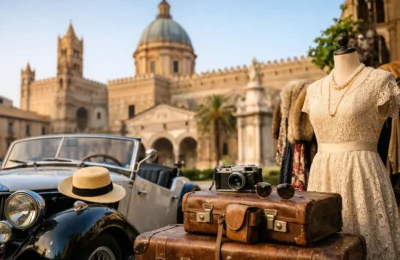
For travelers who love an iconic touch, arriving in a vintage Fiat 500 or exploring on a scooter can make the road itself part of the memory. This style is best for city sightseeing and shorter scenic routes, while longer cross-island heritage days are usually more comfortable in a private vehicle.
Sicily Tour Experience can help shape a day around the destinations you care about most, whether that means Palermo and Monreale mosaics, a temple-filled route toward Agrigento, or an Etna adventure paired with local wine and mountain views.
The most memorable Sicily UNESCO heritage tours leave you with more than photographs of famous sites. They leave you with the sound of church bells over a piazza, the scent of citrus near an old stone wall, and the feeling that Sicily’s past is still wonderfully alive around you.
More to Explore